 BALL AI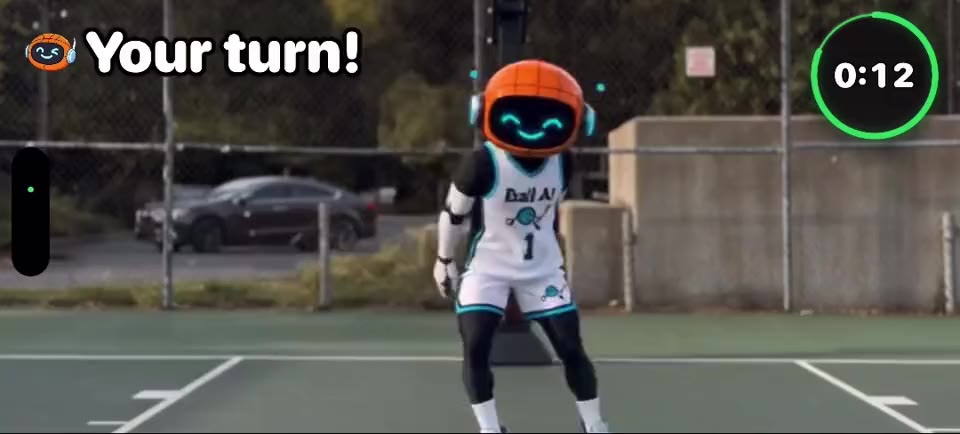
A driveway, a backyard, or a quiet patch of garage is enough for real basketball work. The hard part for parents is the plan. An 8-year-old and a 15-year-old need different drills, different reps, and a different idea of a good day.
This guide uses four bands: 8 to 9, 10 to 11, 12 to 13, and 14 to 15. Every drill has a how-to, a rep target, and what it builds. Start in your child's band. Move up if they look bored, and move down if the ball keeps getting away. Coordination matters more than the birthday.
For one mixed session that is not split by age, see how to get better at basketball at home.
What to have ready
Bring a ball that fits their hand, shoes with tread, and space to bounce or move. A hoop helps for shooting and finishing. Handles, footwork, and defensive slides work without a rim.
Younger kids often handle a smaller ball with more confidence. Many boys move to a size 7 around age 12, and a lot of girls use a size 6 from about age 9. Match the ball their team uses if you are unsure. The basketball gift guide covers sizes, plus a simple phone stand if you want to film.
Shift bikes, hoses, and water bowls before the first dribble, and bring water. Fifteen to twenty-five minutes is a full practice for younger kids. Older ones can go to about forty. Stop early when form slips.
Ages 8 to 9
Chase touch, balance, and a reason to come back tomorrow. Keep goals small, add speed only after the pattern is clean, and stay close enough to reset the drill.
Finger-pad pounds
How to: Soft knees, eyes on you or the garage, dribble with the fingertips around knee height. Fix a palm slap, and fix eyes locked on the ball.
Reps: 20 with each hand, rest, then one more set. Slow down and finish clean if the ball hits a foot.
What it builds: Hand strength, and the habit of looking up.
Stationary crossover
How to: Same stance. Bounce from the right hand to the left below the knees, then back, feet planted. Hold up fingers for them to call.
Reps: 10 crosses, a short rest, 10 more. Two rounds. Count only controlled reps.
What it builds: Hand-to-hand timing, and a change of direction with quiet feet.
One-hand form, close or in the air
How to: One step from the rim, shooting hand only, elbow under the ball, snap the wrist, and hold the follow-through. No hoop: toss a short shot up, catch it, and look for backspin.
Reps: 10 makes, or 10 catches with backspin. Stop when the wrist gets lazy.
What it builds: A one-hand release they can grow, in place of a two-hand push.
Line slides
How to: Two marks about 8 to 10 feet apart. Low stance, hands out, slide without crossing the feet, touch the mark, and come back. Shorten the gap if the heels drag.
Reps: 6 trips across and back, rest, then another set if they still look springy.
What it builds: Balance, and the sideways step early defense is built on.
Ages 10 to 11
They can hold a lower dribble and remember a short sequence. Rushing is the new mistake. Clean reps are the score.
Weak-hand figure eight
How to: Feet wide, weave the ball through the legs. The hand they avoid has to work on its own side. If the eyes never leave the ball, reset and start that set again.
Reps: 8 slow, then 8 a little quicker, two rounds. Races wait until the slow version is real.
What it builds: Comfort with the off hand, which most kids this age skip.
Between the legs, standing still
How to: Dribble once on the right, bounce between the legs to the left hand, and come back. Chest up, bounce below the knee. Hold up fingers so looking up has a job.
Reps: 12 clean crosses, rest, then 12 more. Restart a bobbled rep.
What it builds: A change-of-direction dribble they can later take on the move.
Layup footsteps
How to: Walk it first. Right-hand finish: left foot, right foot, ball up. Left hand is the mirror. Use the backboard if you have a hoop. Otherwise finish with a high knee into a parent's hands.
Reps: 8 each hand. Keep the last step quiet, and jog only after the feet are right.
What it builds: Balanced finishing, so games are less of a jump off the wrong foot.
Three-spot form shooting
How to: Three close spots: middle, a step right, a step left. Feet set, elbow under, hold the finish. No hop-back. Without a rim, use the one-hand toss from the 8 to 9 band, same order: feet, then shot.
Reps: 5 makes per spot, or 5 clean releases. One lap is enough.
What it builds: Shooting the same way from more than one place.
Ages 12 to 13
Use the fact that they care how a move looks. Give them a two-part skill, and keep shots close enough to go in. A sidewalk heave teaches a flat push.
In-and-out into a crossover
How to: Standing still, fake a cross so the ball stays in one hand, then really cross. Stay low, take two dribbles, and stop on balance. Walk with it only after the ball stays below the knee.
Reps: 8 each side, rest, then another 8 each side if the ball is still quiet.
What it builds: A two-move handle that creates a little space.
One-dribble pull-up, short range
How to: Start where a set shot already goes in. One low dribble, feet set, same shot, stay balanced. If the elbow flares or the ball is flat, use the five checks in how to fix your jump shot.
Reps: 10 shots. Count makes, and count how many had the feet ready before the release.
What it builds: The link between a dribble and a shot, which is how a lot of baskets happen.
Chair pivots
How to: A chair is the defender. Catch, jab, then front-pivot or reverse-pivot with the ball on the hip. The pivot foot stays down until the dribble. Say it when that foot slides: that is a travel.
Reps: 6 front pivots and 6 reverse pivots each side, slow enough that the foot never scrapes.
What it builds: Balance with the ball, and a legal way to face the rim.
Closeout chops
How to: Someone plays shooter. Run under control, chop into short steps, and get a hand up without flying by. Switch roles.
Reps: 8 closeouts. Shorten the runway if they slide past.
What it builds: Arriving on balance, which is a contest instead of a foul.
Ages 14 to 15
They can make a small decision inside a drill. Knees and attention fade before coordination does. Keep the range honest, and write the number down.
Hesitation into a cross
How to: Dribble slowly at a line, one hard pound and a shoulder fake, then cross and go. The slow part has to look slow. Keep the pound low.
Reps: 6 each way, one or two rounds, with a real rest between rounds.
What it builds: A change of speed, which earns a step more often than a new move.
Five-spot shooting with a notebook
How to: Five spots around the lane, inside a range they can make calmly. Same feet every time. Write the makes down and try to match the sheet next time. Move a spot back only after a couple of steady weeks.
Reps: 10 shots per spot, once through. Fifty is enough if the last shot still looks like the first.
What it builds: A record, so one hot day is not the whole story.
Jab, then shot or one dribble
How to: On the wing, jab with the outside foot, then a short shot or one dribble into a finish. Call the choice first. The pivot foot stays down. A jab that lifts it is a travel.
Reps: 8 shots and 8 drives, mixed so the order stays awake.
What it builds: A simple read off one move, which games ask for all the time.
Slide, pick up, pivot
How to: Ball on the ground a few steps away. Slide to it, pick it up with two hands, pivot with eyes up and the ball on the hip, then go the other way. Stop if the back rounds or a knee feels sharp.
Reps: 8 pickups.
What it builds: Conditioning that still asks for hands and balance.
Safety
Concrete is fine for dribbling and for short shots near the rim. Landings are the risky part. Shoes stay tied. Jumps stay small, and they come down on two feet. Socks on a garage floor slip.
A rim lowered far enough to hang on is a poor daily habit, and hanging is how wrists get hurt. Walk the space first. If the ball can reach the street, move to the backyard. Heat means shorter sets and water close by. Cold means easy dribbling before any slides or jumps.
Sore hands in the first week of pounding are common. Pain in a knee, ankle, or wrist ends that drill for the day. Stay outside with ages 8 to 9. Older kids can work alone when you are home and the space is familiar.
Keeping it fun
Keep a small score: clean reps, makes, or whether today beat yesterday's chalk mark. Let them choose the last drill, and stop while they still want one more. Four or five short days beat a long Saturday they dread on Sunday.
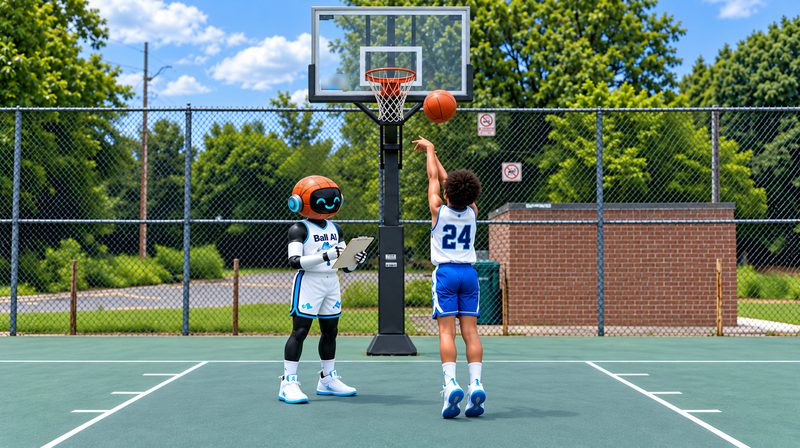
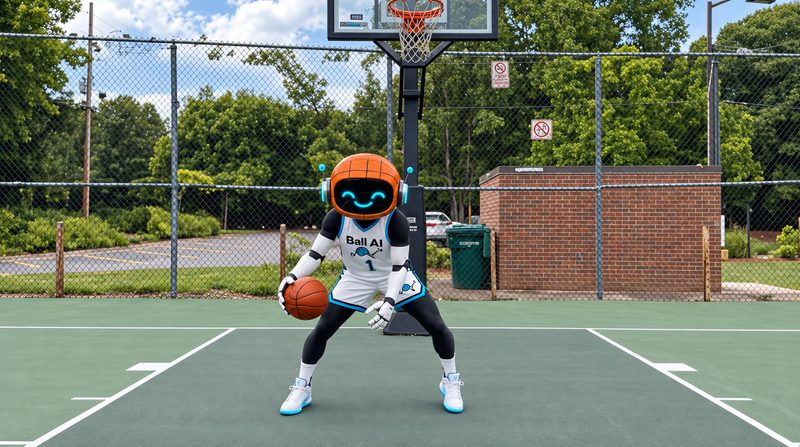
A notebook is enough for the count. If tallying turns you into the referee, set the phone where it can see the ball. Ball AI is an AI coach that tracks reps and form from the phone camera, so the session leaves a record without anyone counting out loud. Playing is still the point. The record just makes a few weeks of work easier to see.
End on something they picked, horse or a left-hand contest included. If a drill stops feeling like play, cut the reps before you cut the habit.
Questions parents ask
How long should kids practice basketball at home?
For ages 8 to 11, 15 to 25 minutes of focused work is a full session. For ages 12 to 15, 25 to 40 minutes is plenty when the reps stay clean. Stop early if form falls apart.
Do these drills need a hoop?
Ball-handling, slides, pivots, and form shooting into the air do not. Layup footwork is better with a rim, and spot shooting needs one. If the only hoop is at a park, do the handle and footwork work at home and save shooting for the days you can get to a basket.
What if they want to quit after ten minutes?
End the session and come back the next day. A short practice they finish is a stronger habit than a long one they resent. If it happens every time, cut the rep targets in half or drop to the younger band's version of the same skill before you drop the drill.
How do I know a drill is too hard or too easy?
Too hard looks like the ball getting away, a tight face, or joking around to escape the rep. Move to the younger band's version. Too easy looks like rushing and sloppy reps they could do while talking. Slow them down, add the weak hand, or take the next band's version of that skill.
Is a driveway hard on knees?
Jumping on concrete adds up. Keep jumps low, land softly on two feet, and use even grass for footwork when you can. Stationary dribbling and close form shooting are the safer daily work. Skip repeated hard landings. If a knee or ankle hurts, that drill is done for the day.