 BALL AI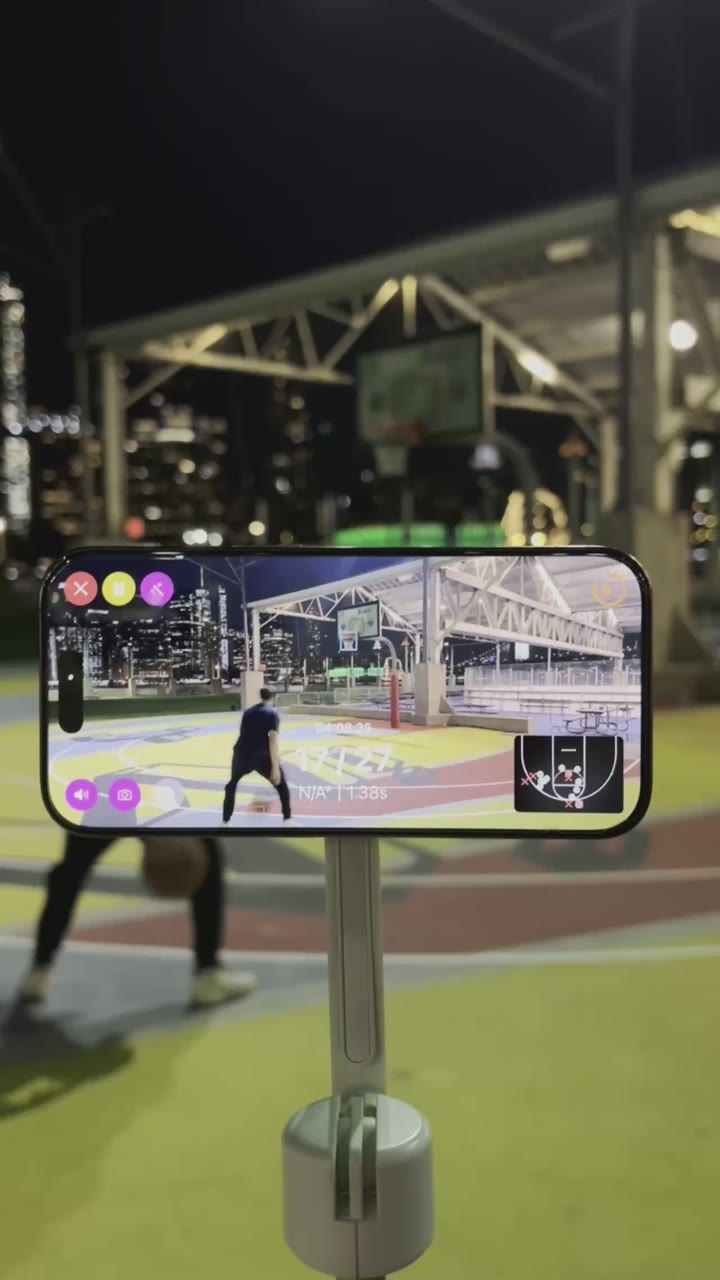
Most of the change in a kid's game happens between team practices, on a driveway, in a garage, or at a park hoop nobody else is using. You want them to work, and you do not want to become the person they hide the ball from. This guide covers a routine they can finish, the skills that matter, how to talk about a miss, how to keep the sport from feeling like a second job, and when a trainer or a camp is the right next step.
You do not need a gym. You need a ball, a flat patch of ground, and a plan short enough that they still want to come back tomorrow. A hoop helps for shooting. Handles, footwork, and close form work do not need one. For the drills themselves, grouped by age from 8 to 15, start with basketball drills for kids at home, by age. This page is how you run the days around those drills.
Building a home practice routine
A home routine sticks when the session looks the same most days and the clock stays short. Four or five days a week beat one long Saturday. For ages 8 to 11, 15 to 25 minutes of focused work is a full session. For ages 12 to 15, 25 to 40 minutes is plenty if the last reps still look like the first. Stop when form falls apart. A clean short day builds the habit.
Attach practice to a time that already exists, after school or before dinner. Have the ball outside and the space clear of bikes and hoses before you call them out. Bring water.
A simple week: Monday, handles and footwork. Tuesday, form shooting close to the rim. Wednesday, rest, or a short game if they ask. Thursday, handles again, with extra reps on the weak hand. Friday, a short mix of whatever looked shakiest, then stop while they still want one more. Weekend, one play session, horse or a friend at the park.
Write the plan on the fridge so it is decided before anyone is tired. If you only have 15 minutes, do the first block and skip the rest. Showing up short keeps the week intact. If they already had a hard team practice, cut home work in half or take the day. Rest is part of the plan.
Match the ball to the one they use with their team. Many boys move to a size 7 around age 12, and a lot of girls use a size 6 from about age 9. A ball that is too big makes every drill look like a struggle. The basketball gift guide covers sizes, plus a simple way to prop a phone if you want the session on camera.
What to practice by skill
Kids do not need a new move every week. They need a few skills that show up in games, practiced until the ball stays quiet and the feet stay under them. One skill per block. Mixing five ideas into ten minutes teaches rushing.
Handles
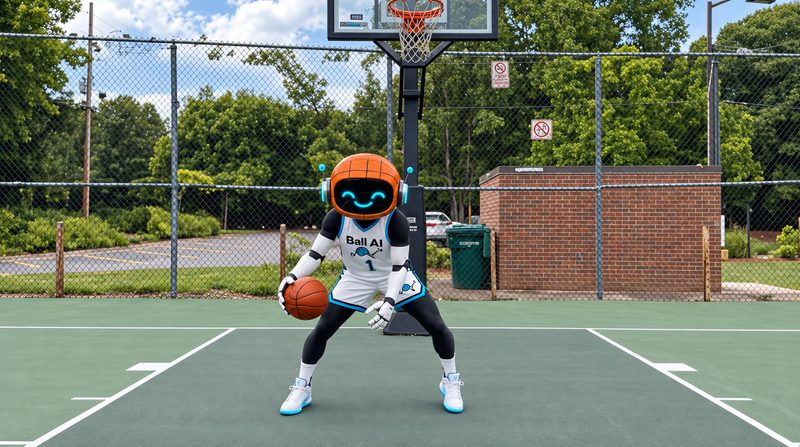
Start stationary. Low pounds, each hand, eyes up, then a simple combo: crossover, between the legs, an in-and-out. The weak hand gets the same reps as the strong hand, even when it looks worse. If the ball is getting away, slow down and lower the dribble before you add a walk. A full 30-minute version of this work is in how to get better at basketball at home.
Footwork
Jab steps, pivots, and short slides. The pivot foot stays down until the dribble starts. A lot of turnovers blamed on hands are a travel or a loss of balance. Stay low, and keep slides short enough that the feet do not cross. Say it calmly when the pivot foot slides. Five slow pivots each way teach more than twenty fast ones.
Shooting form
Stay close to the basket. One hand if they are young and the ball is big for them, both hands once the elbow can stay under the ball. Hold the follow-through long enough to see it. Ten calm reps beat fifty heaves from far away, because a far heave teaches a flat push. If the elbow flares or the release looks rushed, use the five checks in how to fix your jump shot: elbow, base, release, arc, and follow-through. Move back only after the close shot has looked the same for a couple of weeks.
Finishing
With a rim, a few layups from each side, same foot every time. Without a rim, rehearse the steps: dribble, gather, stop on balance. A finish is footwork first.
Defense
A short closeout or a slide-and-stop teaches them to arrive under control. Eight reps is a full set. If they fly past the spot, shorten the runway. The age-banded drills page gives each drill a how-to, a rep target, and what it builds.
How to give feedback without pressure
Kids can hear "you are not trying" inside a sentence you meant as a tip. Feedback lands when it is specific, short, and about the rep.
Watch one thing. If the block is handles, talk about the dribble, not Saturday's game. One cue, then silence: "eyes up," "ball below the knee," "hold the finish." Let several reps go by before you say it again. Describe what you saw. "The ball got away on the left-hand cross" is something they can change. "That was bad" is a verdict. Praise the choice you asked for, not only the make. Staying with the weak hand matters more than a lucky swish.
Ask before you coach, especially with older kids. "Want a tip, or do you want to finish the set?" With younger kids, show the cue once and then let them try.
Keep score of the thing you named: clean reps, close makes, or whether the pivot foot stayed down. Counting every dribble out loud turns you into the referee. A chalk mark, a notebook, or the phone can hold the number. Read it back once when the set is over.
Stop when their face gets tight, when jokes become a way out, or when your voice gets sharper. Shorten the set, switch skills, or go inside. Practice can happen tomorrow.
Motivation and avoiding burnout
Motivation is a schedule they can keep and a number that belongs to them. Talks about rosters, or about how much of your week the sport already takes, land as pressure, especially after a loss. On a practice day, stick to today's reps.
Let them pick the last few minutes: horse, a left-hand contest, or shooting around with no count. A kid who leaves wanting one more is more likely to come out tomorrow.
Compare them only to their own last session. Yesterday's makes, a streak of days they showed up, or a weak hand that stayed low. If two kids in the house both play, give each one a separate note.
Burnout shows up as walking past the ball, a short fuse at the first miss, or "I don't want to" three days in a row. Cut the week in half before you drop the habit. If team practice and homework already fill the nights, drop the home workout first.
Sore hands from new pounding are common. Pain in a knee, ankle, or wrist ends that drill for the day. Concrete is fine for dribbling and for short shots. Keep jumps small and land on two feet. Heat means shorter sets and water nearby. Leave one day that is only play. If every touch is a drill, basketball starts to feel like a chore.
When a trainer or camp is worth it
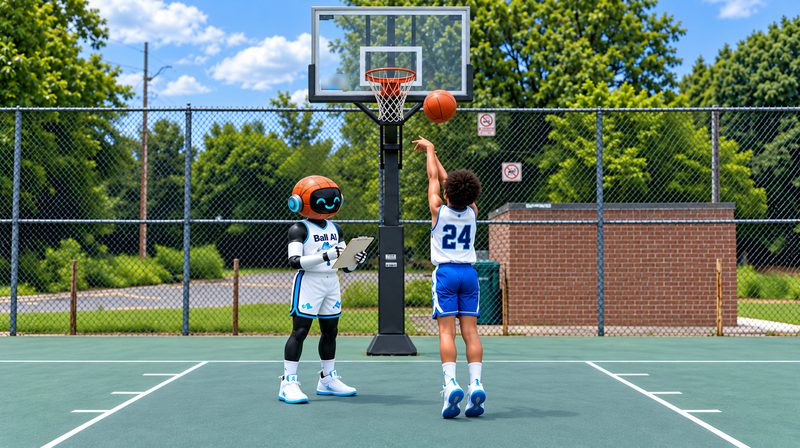
A private trainer is worth it when your kid wants another set of eyes and the rest of the week can stay light. A good session gives them a correction they cannot see alone, from a voice that is not yours. It does not replace the driveway. The reps between lessons are where the skill settles in.
Use a trainer for one stuck skill: an elbow that will not stay in, a pivot foot that keeps sliding, or a move the team coach cannot break down in a full gym. A few sessions on that problem usually help more than an open-ended appointment they start to dread. Ask for the cue in plain language so home work matches. There is a longer look in is a private basketball trainer worth it.
A camp is worth it when they want more playing, new teammates, or a week that feels like basketball. Ask what a normal hour looks like before you sign up. You want teaching and games, coaches who correct without embarrassing a kid, and a day their body can handle. Scrimmage-only will not repair a shot. Drill-only will not teach them to see the floor.
Skip both when the calendar is already full. If they are tired of the game, lighten the week at home instead of adding another signup. Come back to a trainer or a camp when they ask, or when one skill has been stuck and home cues are not moving it.
How tech helps
Parents usually resent the scorekeeping: counting dribbles, remembering Tuesday, filming with one hand. A phone can hold that job.
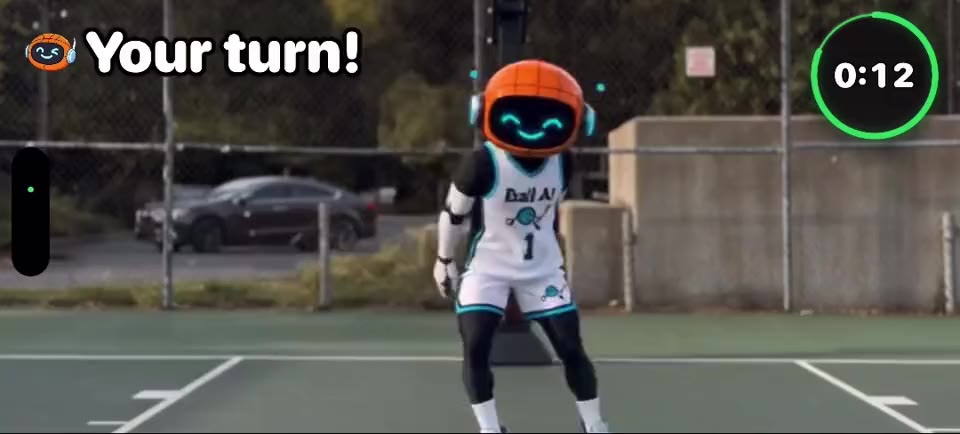
Set it where it can see the ball, about chest height. Ball AI is an AI coach that uses the phone camera to track reps and form. It counts shots and dribbles, keeps the session, and offers a cue, so you are not the only voice in the driveway. It is on iOS and Android. Handles need the phone and a ball. Shooting needs a hoop. There is no sensor and no special ball. More on that setup is in the basketball training app for kids FAQ.
After a few weeks you can look at makes, streaks, and form notes instead of reconstructing the week from memory. Open the phone together and talk about one number. The app does not replace playing, or you standing next to a younger kid. If the screen starts to feel like homework, a notebook is enough.
Questions parents ask
How long should a home basketball practice be?
For ages 8 to 11, 15 to 25 minutes of focused work is a full session. For ages 12 to 15, 25 to 40 minutes is plenty when the last reps still look clean. Stop early if form falls apart, and count a short day as a success if they finished what you planned.
What should we practice if we only have 20 minutes?
Spend the time on one skill, not a tour of the whole game. Ten minutes of weak-hand handles and ten minutes of close form shooting is a complete session. Use the age-by-age drill list or the at-home routine if you want the reps written out.
How do I give feedback without making practice feel like a test?
Name one thing you saw and one cue, then let them try it. Skip speeches about effort, and ask older kids if they want a tip before you give one. Praise the choice you asked for, even when the shot misses.
When is a trainer or a camp worth it?
A trainer is worth it for a specific skill that is stuck, when your kid wants the help and the rest of the week can stay light. A camp is worth it when they want more playing and the day mixes teaching with games. Neither one fixes a calendar that is already too full.
What do we need besides a ball and a phone?
A flat space, and a hoop only for shooting and finishing. Ball AI is an AI coach that uses the phone camera to track reps and form on iOS and Android, so you do not need a sensor or a special ball. Younger kids still need you nearby.