 BALL AI
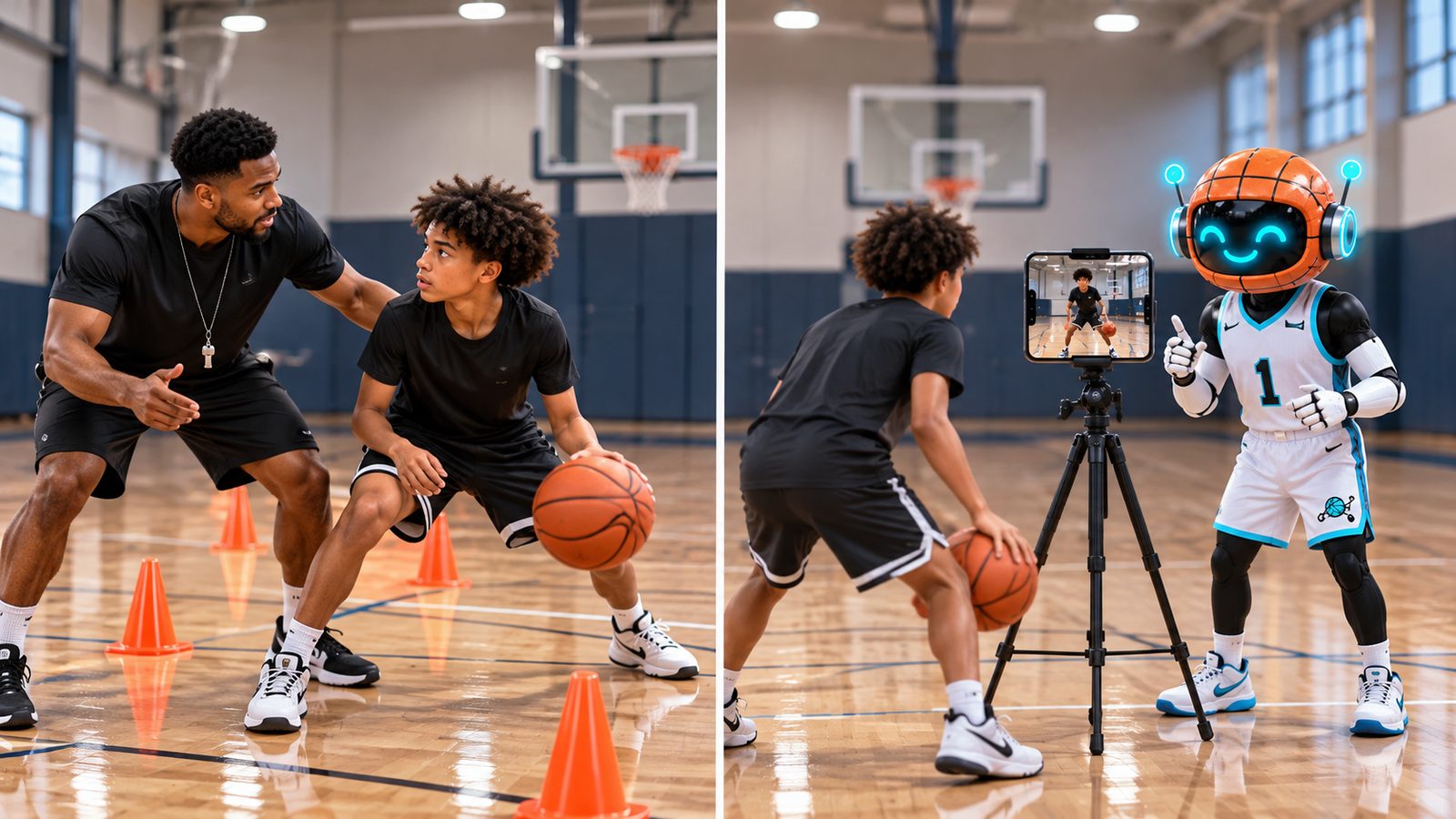
If your kid is serious about basketball, you've probably looked into a private trainer. For how trainers stack up against camps, leagues and home work, see youth basketball training options. They can be great. They can also get expensive fast. Here's how to think about it.
What private training costs
Rates vary a lot by area and coach. At one or two sessions a week, the bill adds up quickly.
What you get from a good trainer
- Someone watching every rep and correcting form in real time
- A plan, so practice isn't random
- Accountability, because someone expects them to show up
The real problem: the other 6 days
Even with a great trainer, most improvement happens in the hours your kid practices alone. That's where most players stall. Solo practice has no feedback, no plan and nobody keeping score, so it's easy to skip. A written practice plan for kids fixes the no-plan part.
Where an AI trainer fits
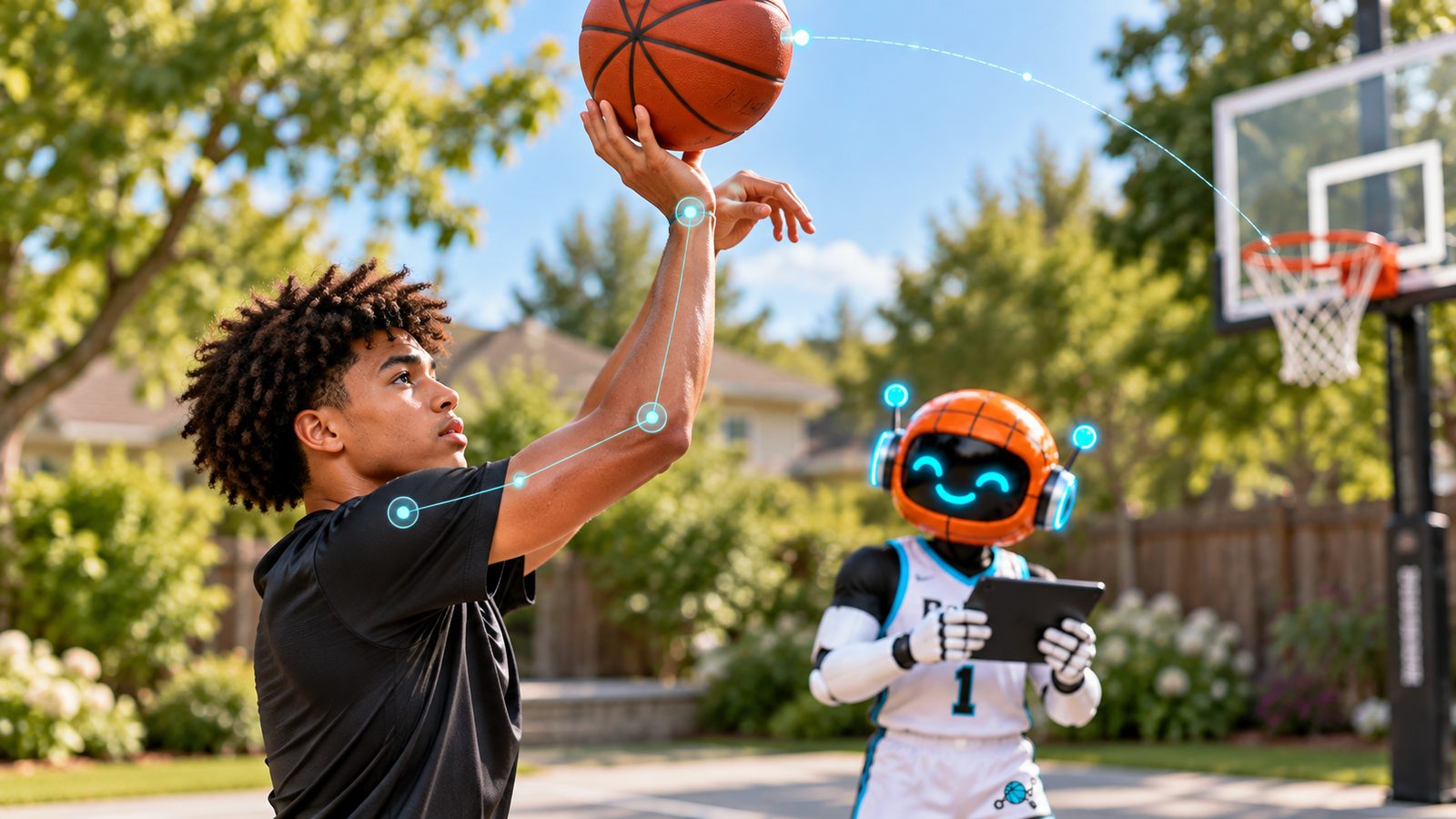
An AI trainer like Ball AI covers the solo hours. It uses your kid's phone camera to count every shot and dribble, coaches form in real time, and builds streaks, XP and leaderboards that make training feel like a game. It's a fraction of the cost of private sessions, and one Family Plan covers every kid in the house. Compare basketball apps for kids before you pick one.
So which one?
If budget allows, the best setup is both: a trainer once in a while for hands-on coaching, and an AI trainer for daily reps in between. If budget is tight, start with the AI trainer. Daily, tracked practice is what moves the needle most.